Mechanical systems & lighting

Real Life Air Source Heat Pumps

Learn about cold climate heat pumps from an expert in HVAC and Building Science. This session will focus on the real world performance of Air Source Heat Pumps monitored from past projects, including the presenter’s own house. We’ll discuss a range of heat pump applications, installation practices that affect efficiency, and some key issues and resources to consider when specifying and sizing heat pumps. After attending this session, practitioners who use this technology will know how to use it better. If you have questions about Heat Pumps, bring them with you! There will be time for Questions and Answers.

Heat Pump Water Heaters for Multifamily

Looking for the best ways to use heat pump water heaters efficiently, reliably, and without compromising comfort? So are we. In multifamily buildings around the Northeast, the speakers have investigated integrated, tank-type water heaters as well as larger, central heat pumps. Both have challenges, and speakers will present many examples of how NOT to use HPWHs in multifamily buildings. We are learning, however, and the technology is evolving. Systems using CO2 refrigerant are coming from overseas that appear to offer good performance even in cold weather. This session will include a review of the range of technologies currently available, discussions of applications and challenges, and our best take on best practices for heating water with heat pumps – now and in the future.

Retrocommissioning with the Chiefs: Training Operators to Sustain the Process

At the core of every successful Retro-Commissioning (RCx) project is an effective collaboration between the commissioning agent and the building's operating staff to identify and implement energy conservation measures. This session will provide guidance to commissioning agents and building operations teams about how to work together throughout the Retro-Commissioning (RCx) process to maximize the benefits of RCx. We will present examples from both the commissioning agent building operations perspectives of how previous project collaborations have been structured, including the development of training materials, to attain significant and sustained benefits beyond energy savings.

Crisis in Cannabis Cultivation: Latest Energy Developments in Data, Practice, and Policy

Growing marijuana indoors is extremely energy intensive, and this session highlights the latest efforts to reduce the industry's energy footprint. Attendees will hear from speakers with fingers on the pulse of trends, practices, and policies across the country. As highlighted at BuildingEnergy SRO inaugural session on the subject last year, there is a very small window for growers to coalesce around best practices, providing building energy professionals a unique opportunity. Efforts to collect profile data about cultivators' energy use will be shared, as well as latest updates about market and regulatory developments in Massachusetts and Maine.

Data-Driven Boiler System Design and Installation

New Ecology, Inc. (NEI) installed low-cost monitoring equipment in 103 multifamily buildings in Massachusetts to observe, track, and evaluate hydronic heating and domestic hot water (DHW) equipment operations, performance, and energy efficiency. Their analysis identified significant discrepancies between specified and actual heating and DHW performance. NEI’s results suggest that improvement in equipment performance is possible at each phase of equipment’s life cycle – design, installation, and operation.

Getting Smarter about Smart Buildings

If you have difficulty getting ideas to move ahead quickly in your organization, this session is for you. We will share the journey to roll out a "smart building" controls system in the TD Bank retail network. We navigated the good, the bad, and the ugly through the major milestones: selecting the best controls package for the existing portfolio, piloting the pilot process, and turning the 10-site pilot into a 300-site program rollout. We'll share our best strategies to cut down on approval times and nimbly leap through organizational hurdles to deliver energy efficiency and cost reductions.

Air (vital stuff): Strategies for Getting It Into (and out of) Multifamily Buildings

In an increasing market for multifamily, energy-efficient and high-performance building shells, efficient ventilation strategies become paramount in maintaining health and comfort without sacrificing high level project goals such as Passivhaus Certification. So what is the best approach to creating a well-ventilated multifamily building? As with most issues in design, it depends…. This session will discuss ventilation approaches to be considered from large central air handlers, to individual systems in each dwelling, to options in between.

Best Practices for All-Electric Homes & Apartments

With well-insulated envelopes and newer heat pumps that work in cold climates, some designers and developers are moving away from fossil fuels towards all-electric buildings. This can certainly save infrastructure costs, but what is the effect on operating costs? What about comfort and reliability? This workshop will present findings from research; case studies from the around the Northeast; and best practices for determining if, how, and when to forego fossil fuels.

Energy, Water and Time Efficient Hot Water Systems

Once we build a high performance building, there are still major challenges with what to do with hot water distribution. Most practitioners are using outdated methods to control distribution piping, plumbing fixtures & appliances, and waste heat that runs down the drain. This workshop will present practical measures you can incorporate into your next project that result in high performance hot water systems and very satisfied customers.

Energy, Water and Time Efficient Hot Water Systems

Once we build a high performance building, there are still major challenges with what to do with hot water distribution. Most practitioners are using outdated methods to control distribution piping, plumbing fixtures & appliances, and waste heat that runs down the drain. This workshop will present practical measures you can incorporate into your next project that result in high performance hot water systems and very satisfied customers.

Lightning Round! Day 1: Lessons from The Field

New this year, Lightning Rounds pack as much information into one session as possible. You’ll hear succinct, to-the-point, and practical presentations on a variety of topics, including: Chilled Beam Advantages: Chilled Beam systems offer a unique opportunity to integrate the HVAC system into the architectural elements of a building while reducing energy costs, maintaining enhanced indoor air quality and promoting significant occupant comfort.

Mind the Gaps: Post-Occupancy Discoveries from Design to Operation

Vanderweil has piloted post-occupancy review to determine how buildings are used and discovered that gaps in installation, operation, and maintenance, which can result in excess energy and resource use, may be avoidable. Post-occupancy evaluation requires a small investment but yields results that can help alleviate owner issues with controls, circulation, and operational strategy.

Real World Data of Domestic Hot Water Consumption and Energy

What are the real-world loads and efficiencies of domestic hot water (DHW) systems in multifamily buildings? New Ecology, Inc. has tested many DHW systems using data loggers and Btu meters, and used these data to inform the design of new and upgraded DHW systems. Testing has determined tenant usage patterns, system efficiencies and issues with controls and system components.

Spending Through the Roof: Tall Building Energy Wasted Through Passive Vents

Recent research revealed that an estimated $11M in energy cost is wasted annually due to open vents at the tops of tall buildings. The vents are code-mandated but are left open, allowing tall buildings to become chimneys in winter. A NYSERDA study report published by Urban Green Council quantified the energy impact and recommended retrofits to halt the airflow escaping from elevator and stairwell shaft vents.

Data Loggers for Advanced Diagnostics

Data loggers are tiny computers which record temperature, humidity, water flow rates, and other environmental parameters over a long timeframe. How can they be used to diagnose building issues? What are some tricks and tips for using data logging systems? The possibilities of these inexpensive and useful devices will be explored through case studies on condensation issues, air and hydronic HVAC, and building ventilation.

The German Perspective on Building Energy

Germany has established itself as an international market leader and innovation driver in the fields of energy efficiency and green building. This workshop will provide information about innovative building energy models and technologies. A select group of German companies and experts will be presenting their latest products and reference projects. Speakers include: • Dr. Stefan Hardt, CEO, Meteoviva • Anselm Lischka, CEO, Aluthermic • Kay Künzel, Master of Engineering, raum für architektur $100 workshop - Sponsored by the German American Chamber of Commerce in New York, Consulate General of the Federal Republic of Germany in Boston, and the Transatlantic Climate Bridge.

The Lighting Consumer's Conundrum

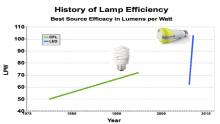
The LED revolution has come a long way, and options for the retail consumer are hugely improved in just the past two years. Now many models of screw-in LEDs exceed the efficiency of CFLs. And there are now many models of high-efficiency residential fixtures. However, there are still bad choices, including many of the least expensive models. Often, “it's just a light bulb!” and who can offer the needed guidance to get through this perplexity? Is it in the retail aisle, the energy auditor, from the manufacturer, from the government? Come hear some of the folks working to provide solutions, and … decide for yourself!

Moving Beyond Faith Based Ventilation
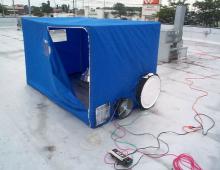
We all know that increasingly tight buildings require reliable and effective ventilation systems, not only for occupant comfort and safety but also for building durability. As with any mechanical system, the efficacy of ventilation can be compromised by a number of factors, including design flaws, improper installation, inadequate maintenance and operator error—some of which can only be caught through post-installation testing and ongoing monitoring. The presenters will share strategies for avoiding problems in the first place, as well as for identifying and correcting common problems that may arise after installation and commissioning.

Has the LED Revolution Caught the Fluorescent Tube?

For decades, the straight-tube fluorescent lamp has been top in efficiency and ubiquitous in indoor lighting. Justifiably, the "four-footer" is one of the last lighting types to be displaced in the LED Revolution. But under what circumstances is replacement warranted, and with what? Many are blithely retrofitting one-for-one with LED tubes and kits, achieving dramatic energy cuts, but with insufficient regard for technical, lighting, and safety considerations. Meanwhile, the line between retrofit and new-construction is blurring: code now requires that if 50% of lighting is replaced, then the space must meet strict W/sf and controls requirements. New LED fixtures can now exceed fluorescent in energy efficiency in numerous applications. The best of smart, energy-sophisticated LED lighting, offers responsible, deep savings, and can become much more the norm. With the advanced LED Revolution comes the need for more technical know-how.

What should be done with this house?

What will your existing house look like in the year 2050, if it’s to be part of the solution to the energy and environmental issues we face rather than a continuing part of the problem? What’s the pathway to get it there over time – how might a “phased retrofit” break down into logical, cost-effective steps? In this workshop, two long-time practitioners (and homeowners) will lead the group through a series of case studies to develop master plans for a range of houses. We’ll be looking not just at the homes and their existing internal systems, but also the various external systems and networks the homes participate in – social, transportation, legal and zoning, energy, natural, etc. Participants will be encouraged to submit their own or clients’ homes to the workshop leaders in advance to be prepared as case studies for group discussion. This workshop is open to homeowners and professionals both.

The True Performance of Your Hidden HVAC Equipment
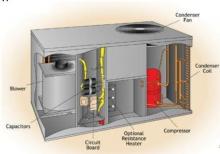
How well does central ventilation equipment actually perform? VEIC and CLEAResult have respectively conducted field monitoring of Roof Top Units in commercial/institutional buildings and central Energy Recovery Ventilators in multifamily buildings. The outcomes? Although in certain cases not as bad as one would predict, this equipment is often underperforming, neglected, misunderstood, and installed and/or operated incorrectly. Come and learn more about our findings, how to improve current performance, and alternative design ideas to do it differently next time.

How We Sleep at Night - Energy Metrics and Decision Making in Residential Design
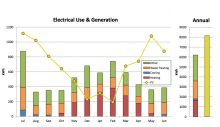
PHI stands by 4.75kbtu/sq ft/yr for AHD. PHIUS has recently reworked its performance standard. Energy Star now has Version III. Living Building Challenge requires net zero. Green building standards require differing guidance on annual heat demand and peak load. Learn from long time practitioners with experience in climate zones 5, 6 and 7 as they discuss their sweet spots for appropriate metrics in peak load and AHD. Laugh while the moderator mocks, tugs and cajoles the experts while teasing out the answers to life’s persistent questions (according to energy geeks).