Renewables

The Magic (Electric) School Bus

Massachusetts is at the forefront of transportation technology with a pilot project that put the nation’s first electric school buses on the road at the end of 2016. We’ll hear from the pilot implementers working with public schools in Amherst, Cambridge, and Concord MA about the pilot goals and technology. From the Massachusetts Dept. of Energy Resources, we’ll learn about operations and data on fuel efficiency, consumption, and costs. Together we’ll consider the future impact and challenges of electric bus fleets. This session takes place on an electric school bus: walk through the hotel lobby, past the front desk, and down the escalator. The bus will be parked at the corner of Fargo Street and D Street. Seating is limited.

Cities as Climate Leaders: Net Zero & the Urgency of Now

With the effects of climate change at our shores, and the federal administration’s decision to pull out of the Paris Agreement, the time for local action is now. In order to avoid the most damaging effects of climate change, GHG emissions must be addressed rapidly and comprehensively. This session will focus on holistic approaches to planning for net zero and tools to help cities and towns set and achieve ambitious climate goals. The audience will learn about tools and resources to help them accelerate their communities toward net zero, best practices from a local practitioner about how to get there, and insights into how to engage the private cleantech sector in supporting that work.

Policy Updates: Net Metering and Fixed Charges in the Northeast

Fixed utility charges and net metering policy have a major impact on the economics of rooftop solar and energy efficiency. For a long time these issues were fairly static in the Northeast, but there have been recent proposals by utilities and utility regulators to make dramatic changes to them. This session will give an overview of these proposals and other changes that are currently being discussed in the region.

Deploying Post-Disaster Renewables

Months after Hurricane Maria devastated Puerto Rico, much is unsure about the future of electricity there. We'll offer two perspectives on efforts to deploy renewables in the post-2017-hurricane-season landscape. Will photovoltaics make a large impact in grid-rebuilding? There has been a lot of talk and a lot of on-the-ground hard work. Clearly, islands and regions are following vastly different pathways toward resilience and sustainability. Caribbean islands and nations already on pathways to PV may now be accelerating their efforts. Much work still lies ahead. All in the BuildingEnergy community need to be enlightened as to these efforts and emboldened to participate in ongoing deployment.

Energy Storage: The Next Frontier

Storage is happening everywhere: behind the meter, in front of the meter, and in autonomous microgrids. Already, storage is addressing the variability in renewable sources of generation, offsetting time-of-use rates and demand charges, reducing peak loads on both sides of the meter, and enabling new levels of resiliency. This session will describe the various battery technologies, their applications and pros and cons, define storage value propositions, discuss “value-stacking” and storage as a service, and present case studies on the many ways storage is now applied across the spectrum.

Utility Transformation: Creating a Lower-Cost, More Reliable, Carbon-Free Electricity Distribution System

We may be on the threshold of a dramatic re-think in electricity distribution. These reforms should create huge opportunities for innovation, distributed energy resources, and efficiency. Leaders of the transformative process will share current developments and expected outcomes.

EnergyVision 2030: A Plan for Changes to our Energy System

Acadia Center’s EnergyVision 2030 analysis explores how the Northeast can reduce carbon emissions to meet 2030 targets that put it on the path to meet 80% by 2050 mandates, which exist in most states. The analysis sets numerical targets in four categories—energy efficiency, electrifying buildings and transportation, greening electric supply, and modernizing the grid.

Resiliency: Energy When You Need It

The floods and hurricanes of 2017 and the winter weather of 2018 all highlight the need for buildings and communities that can withstand natural (and human-made) disasters and continue to provide critical energy needs. The speakers will discuss (1) resiliency in general, (2) how building design professionals can incorporate resiliency into their projects, and (3) examples of communities that are starting to incorporate resiliency into critical infrastructure (microgrids).

Next Generation Energy Efficiency

Utility of the Future… EM&V 2.0… Zero Energy… duck curve! Today’s energy challenges encompass topics far beyond the “bread and butter” of energy efficiency in buildings. After more than 25 years of successful energy efficiency programs, states in the NESEA region are addressing the need to move beyond the traditional energy efficiency model and meet today’s challenges.

Getting Real About Renewables: Passive House and the Future of Energy

The growth of renewable energy is a hopeful and positive sign for society. It is not merely a fuel switch, however; it is a disruptive technology that is revolutionizing the fundamental economics of the grid itself. As fossil-fuel “storage” is supplanted by intermittent renewable energy, peak load is transitioning from demand-driven to supply-driven, and shifting the focus from “energy” to “power."

Five Market Trends That Are Re-Shaping C&I Energy Management

Commercial energy users have an ever-growing range of ways to manage energy. This session will highlight energy management trends in key areas including solar, energy resiliency, energy management software, and a deep dive on energy storage. With a focus on activity in the Northeast, including project-level analysis, the session will illustrate what's new in the dynamic markets for cutting-edge energy technologies.

The Campus as Crucible for Catalyzing Change

College campuses are leading the transition from fossil fuels to renewable energy at the community level. This session will combine design, technology, and policy with real-life case studies of campuses moving toward carbon neutrality. We’ll present three different colleges in Vermont, Massachusetts, and New Hampshire. What better way to help the rising generation prepare for their own future than to lead the campus, as community, into the clean-energy future?

Biomass Design and Potential

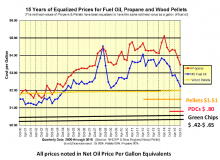
 This course touches on some of the considerations one should make when designing and planing an automated biomass heating system.​ It will cover fuel choice and logistical advantages, equipment availability and pros and cons of different choices,  sizing for financial viability, and emissions implications of fuels, moisture content and combustion equipment. We will also take a quick look into the near future and discuss a few up-and-coming cogeneration options.


Pricing Sustainability: What Electricity Rate Design Means for the Future of Solar and Efficiency

In recent years, increasing levels of distributed generation have led to challenging questions about how utilities charge customers for the electricity they use. To date, this has largely been a debate between utilities and distributed solar industry and advocates, but the potential impact on energy efficiency is enormous. The session will take a close look at proposed reforms in electric rate design, show how they could change the economics of consumer investments in residential energy efficiency, and recommend what works best for the modern energy consumer. A key topic will be the trend among utilities to increase fixed fees, also known as customer service charges, to levels that impair consumer control over energy costs and disrupt energy efficiency. Also spotlighted will be legislation passed in Connecticut that established a pro-consumer definition of the fixed fee and how that approach might translate to other states in the region. Overall, this session will present a concrete vision for how grid reform can accelerate, not impede, progress on making our buildings highly-energy efficient.

When Does Smaller Scale Cogeneration Make Sense?
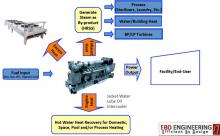
Cogeneration or combined heat and power (CHP) can provide cost-effective power, heating, and cooling, reduced emissions, lower costs, and energy surety—under the right conditions. But how do we know whether CHP might be a good fit for residences, commercial buildings and multifamily housing relative to large facilities, campuses and urban districts? Can existing central utility plants be upgraded to cogeneration? Is third party financing, ownership and operation an option? This presentation offers the perspective of experienced CHP designers and installers who will provide an overview of smaller-scale CHP technologies and applications, describe the elements of feasibility assessment for CHP in new construction and retrofits, and offer examples of installations and business models for various scales of CHP installations.

Northeast Solar Policy: What's Coming

Solar policies continue to evolve at breakneck pace, making it challenging to keep on top of all of the latest. Which types of proposals are likely to catch on and drive the industry as it progresses towards maturity? How will solar policies interact with pushes for grid modernization? This session will provide a quick update on the latest in the states with major changes and then a discussion on what three engaged solar policy experts consider the most interesting developments we’ll see in the next year or two (good or bad). We’ll also discuss lessons learned in the last couple years. Come listen in as three of the brightest in the industry push back and engage on the most interesting issues in solar.

Lightning in a Bottle II: Energy Storage Applications, Business Models and Case Studies
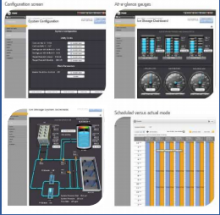
Energy storage technologies are receiving a great deal of attention and investment. This second of two sessions will take a closer look at energy storage applications, business models, case examples, and project development considerations in the Northeast region and nationally. What technologies are being deployed now, under what business models, and what circumstances make sense technically and economically for your project? We will describe energy storage applications for grid support, peak shifting and load leveling, renewable energy integration, microgrids and resilience, and aggregations for demand response. We will consider how energy storage might apply to your projects, clients and communities, and explore value streams and business models for energy storage deployment including third party ownership and power purchase agreements.

Lightning in a Bottle I: Energy Storage Technologies and Markets
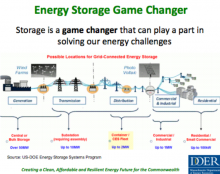
Energy storage technologies such as batteries, flywheels and thermal storage are poised to reshape our energy systems at the scales of the grid, communities, buildings and vehicles, and the relationships between these categories. This first of two sessions will provide an overview of energy storage technologies, applications and markets in the Northeast region and nationally. It will highlight the research from the Massachusetts Department of Energy Resources energy storage study underway. Is the energy storage tipping point truly in sight? What market applications are favorable for which sets of technologies? What impact will storage have on renewable energy deployment? How might electric vehicles mobilize opportunities for energy storage in the built environment? Please join us as we cut through the hype for a lively discussion of developments in this dynamic field.