Design & Construction process
The AIA 2030 Commitment: Building Energy Literacy
Three Vermont High-Performance Homes, Three Approaches
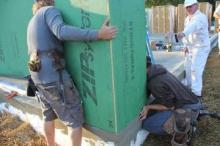
This session offers a thought-provoking comparison of the construction and performance of three high-performance homes completed in Vermont in 2015-2016: all two story, one with a basement, one traditional double stud, one double stud with air barrier behind the inner stud, one exterior I-joist wall. The projects’ architect and construction leaders will discuss design, ease of construction, cost and performance of the different systems, and reasons to choose one over the other.
Are You the Weakest Link? Resilient Design 101
Permanently Passive: Building With AAC
State of the Art: High-Performance Natural Building for Cold Climates
Performance-Based Procurement: Infusing Your New Construction Contract with Energy Requirements
Data-Driven Design and the Living Building Challenge
Redundancy. Diversity. Connectivity: Optimizing Your Projects, Your Business, Your Work
For Good Measure: Monitoring Envelopes to Inform Masonry Building Renovation
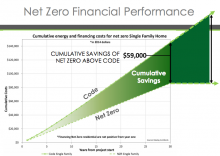
Is Net Zero Energy Net Zero Benefit?
Living Building Challenge: Historic Building, Modern Lessons
The Living Building Challenge (LBC) can be applied to any building project, including historic renovation and new construction. Charley Stevenson and John Rahill will compare and contrast the LBC renovation of an 18th century plank building to the design and construction of several new LBC buildings. By examining the three most challenging petals (water, energy and materials) they will illuminate the benefits of and the obstacles to LBC compliance.
Foam-Free - Fabulous, Feasible, and Fun!
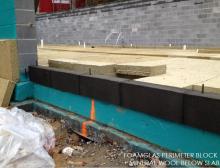
Three experienced practitioners will demonstrate that we needn’t (shouldn’t?) be captive to foam in the high performance building industry by showing practical solutions that eliminate foam in new and retrofit applications – above and below grade. Using real projects and assemblies, the speakers will discuss an integrated design build process, review the implementation of details and sequencing and the verification and commissioning of alternative construction methods. Without dwelling on the negative environmental impacts of foam insulations, alternative, safer insulation mater
Material Selections: A Life Cycle Perspective Viewed Through One Home
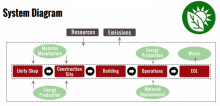
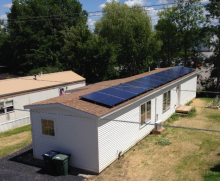
Achieving Zero Net Energy Affordably Today: Mobile Home Replacement
Offsite Construction: the Future?
Navigating Product Selection: How to Find the Greenest Materials in the Age of Full Disclosure
Integrated Design for High Performance Schools
Calculating the Life Cycle (Cradle to Grave) Impacts of Buildings
Getting to Zero: Frameworks & Roadmap to help you achieve portfolio-wide performance improvements
Can You Afford an SPF Failure? A Comprehensive Look at Assuring a Quality Foam Installation
Huddle Together for Warmth: Multiple Solutions for Multifamily Passive House
Affordable Passive House Commercial Buildings - Secrets Revealed
Building Blocks for Green Master Planning: A Hands-on Introduction to LEED ND
Combating Climate Change with Timber Construction
Passiv for the Masses